Cultivation Methods of Cissus Quadrangularis
Cissus Quadrangularis is a wild plant found in India, South Africa and in hot regions. These plants are not usually cultivated but due to the demand of the plants for medicine its now cultivated in some parts of the world.
Description of the Plant
Its node has a distance of 15cm and joined together. If the plant is planted in irrigated areas you will find more leaf and tendril than non-irrigated areas. When the plant is full grown, flowers start to appear and one seed is formed on each pod.
Cultivation Methods
Cissus Quadrangularis are mainly propagated by cuttings. The plants are cut between the two nodes 30 cm and dipped in cow dung slurry and dried in the sun for one day. The next day the plant can be planted in the prepared pits. A pit of 15×15×15 cm spacing at 5 ft is made. Fill the pit with one part of Vermi-compost one part of dry cow dung, one part of sand and one hand full of bone meal. Mix the same and fill the pit. The plants which are dried can be planted in the pit. Water the plants. See the plants are planted in straight line in both direction of the field. For first 15 days Cissus Quadrangularis should be watered every alternate days after that only once in every four days (hot climate). Never allow water to stage near the plant. Continue reading
Vanda Culture
Vanda culture
Vanda species come from the tropics of Asia from the high hills of India, through Thailand. It is a fast growing plant. Vanda often grown outdoors in shaded area. Vanda produce sturdy flower spikes of a dozen or more flowers. The flowers vary in size from about two to four inches some varieties are pure white, variegated, pink, blue and purple. They flower through the year. Round aerial roots being produced along the plant stem at different intervals.
Cultural requirement of Vandas
Temperature
Vandas grow best under warm daytime condition. High day time humidity is required, day time temperature should be 65° C. They need very story sunlight. It does not grow in indoor or fluorescent lights. Watch out for leaf burn, with bright sun light, 50% shade net should be provided to the plants.
During the growing season it need’s daily watering, as well as misting several time a daily. The potting medium should be moist. Continue reading
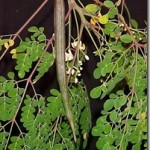
Moringa Oleifera
Moringa Oleifera is commonly called as Drumstick Tree. India is the largest producer of drum stick tree in the world with production of about 1.3 million tons. A small to medium sized tree up to 10m height, deciduous,
Glycyrrhiza Glabra
English Name: Sweet root or liquorice
Hindi Name: Mithilakdi or Mulathee or kubas-Susa
Marathi Name: Jashtimadh
Tamil Name: Ati maduram
Kingdom:
Plantae
Division:
Magnoliophyta
Class:
Magnoliopsida
Order:
Fabales
Family:
Fabaceae
Subfamily:
Faboideae
Tribe:
Galegeae
Genus:
Glycyrrhiza
Species:
G. glabra
Breeding love birds
Lovebirds are probably the easiest of all cage birds for the novice to breed and rear. They can be breed in cages, or in an avary-based colony. Cage breeding will require a cage of a minimum size of 60cm long

10 Ayurvedic Remedies for Epilepsy
1) Take a piece of goat bone and burn the bone. Take the half gram of powdered ash and mix it with little hot water and drink.
2) Take one teaspoon of Bocopa monnieri juice, acorus calamus powder and honey mixed together should be taken.
3) For small children ruta graveolens should be tied in small bunches and tied around the waist
4) Pepper should be powdered and tied in a cloth and burned. Make the patient smell the smoke. He will recover soon from Epilepsy.
5) Taking garlic juice regularly is good for the treatment of epilepsy.
6) Acorus calamus powdered should be taken with honey. Continue reading
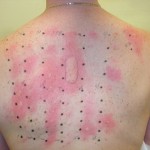
Remedies for Allergy
Below mentioned are some of the Ayurvedic remedies for Allergy
1. Ocimum tenuiflorum (tulasi or tulsi) should be added to water and boiled. Then cool it, and take a shower in this water.
2. Bauhinia Purpurea leaf should be smashed and the same should be rubbed on the body, will act as a cure for different types of allergies.
3. Terminalia Bellerica seed should be powdered and boiled. When cooled take shower in it.
4. Take Murraya Koenigii (Curry Leaf) and Curcuma Longa (Turmeric) in equal weight and grind without water and make this into small pills. Take these pills daily.
5. Take Mimosa Pudica (Touch-me-not) and coconut oil. Boil it together and the same can be rubbed on the body.
6. Take Lime Juice and Ocimum tenuiflorum (Tulasi) and mix both with little coconut oil and rub this mixture on the body. This will act as a cure for allergy. Continue reading